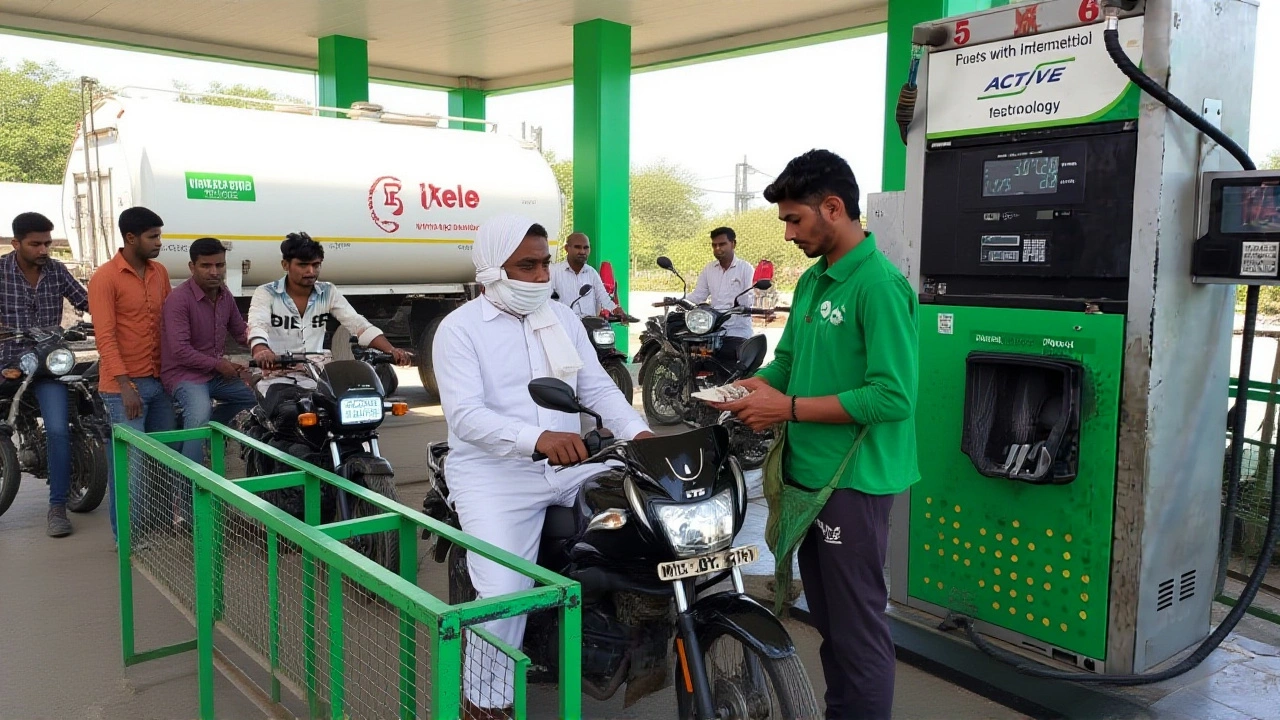
When Indian Oil Marketing Companies (OMCs) announced their fourth price hike in just ten days on Monday, May 25, 2026, drivers across the country felt the pinch immediately. It’s not just a minor adjustment; it’s a significant jump that pushes petrol past the psychological barrier of ₹100 per liter in the capital.
The increase happened at midnight, with petrol rising by ₹2.61 and diesel by ₹2.71 per liter. This marks the latest escalation in a rapid-fire series of hikes that have left consumers scrambling to fill up before prices climb further. The twist is that despite these increases, state-owned fuel firms are still operating at a loss, according to industry analysts.
A Rapid Escalation: The Timeline of Hikes
Here’s the thing about this recent surge—it hasn’t been gradual. Over the last week, prices have jumped four times, creating a sense of urgency among commuters. Let’s look at how we got here:
- May 15, 2026: The first hike in this cycle saw both fuels jump by approximately ₹3.00 per liter.
- May 19, 2026: A second increase added ₹0.90 per liter to both petrol and diesel.
- May 23, 2026: Petrol rose by ₹0.87 and diesel by ₹0.91 per liter.
- May 25, 2026: The latest spike added ₹2.61 to petrol and ₹2.71 to diesel.
In total, over these ten days, petrol prices have surged by ₹7.35 per liter, while diesel has climbed by ₹7.82. That’s a substantial hit to monthly budgets for anyone relying on private vehicles or public transport.
City-Wide Impact: Who Pays More?
The impact varies significantly depending on where you live, due to differing state taxes. In New Delhi, the national capital, petrol has officially crossed the triple-digit mark. Reports indicate the new price stands at ₹102.12 per liter. Diesel, meanwhile, sits around ₹95.56 per liter.
But it’s worse in other metros. In Mumbai, petrol is already trading near ₹111.21 per liter. Kolkata sees petrol above ₹110 and diesel hitting ₹99 per liter. Even in Chennai, petrol has reached ₹107.77 per liter. These numbers aren't just statistics; they represent the cost of getting to work, sending kids to school, and moving goods across the country.
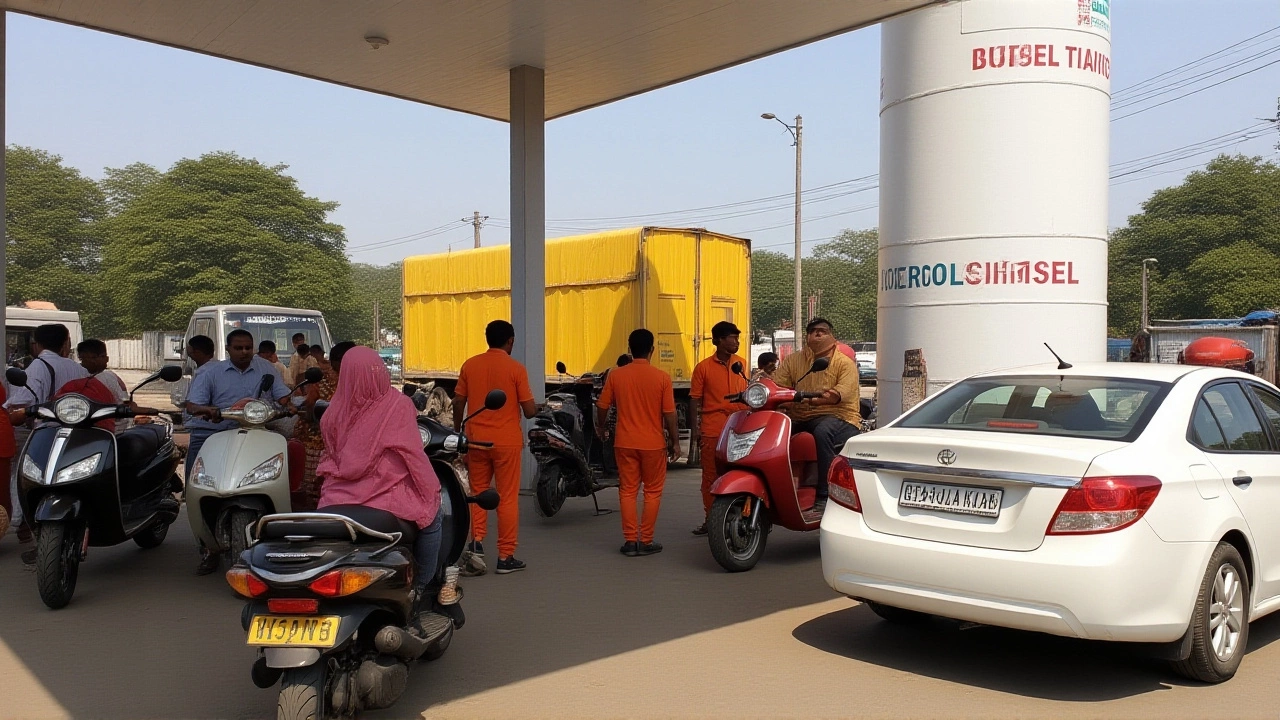
Why Are Prices Rising So Fast?
Turns out, two main factors are driving this volatility. First, global crude oil prices remain stubbornly high. Second, the Indian Rupee has weakened against the US Dollar. Since India imports most of its oil, a weaker rupee means every barrel costs more in local currency terms.
Industry insiders point out that this isn’t just about greed; it’s about survival for the companies involved. However, the pain is being passed directly to the consumer. The correlation between international crude benchmarks and local pump prices is tighter than ever, leaving little room for absorption by the retailers.
The Hidden Loss: What Experts Say
Oddly enough, despite these hikes, the companies selling the fuel are still losing money. According to an assessment by CRISIL, a leading rating agency, OMCs are currently facing an under-recovery of approximately ₹10 per liter on petrol and ₹13 per liter on diesel.
This means that even after raising prices, the revenue doesn’t cover the actual cost of procurement plus logistics and taxes. Experts warn that if global crude prices don’t stabilize or the rupee continues to depreciate, further hikes are inevitable. We might see another round of increases soon, potentially pushing losses lower but hurting wallets further.
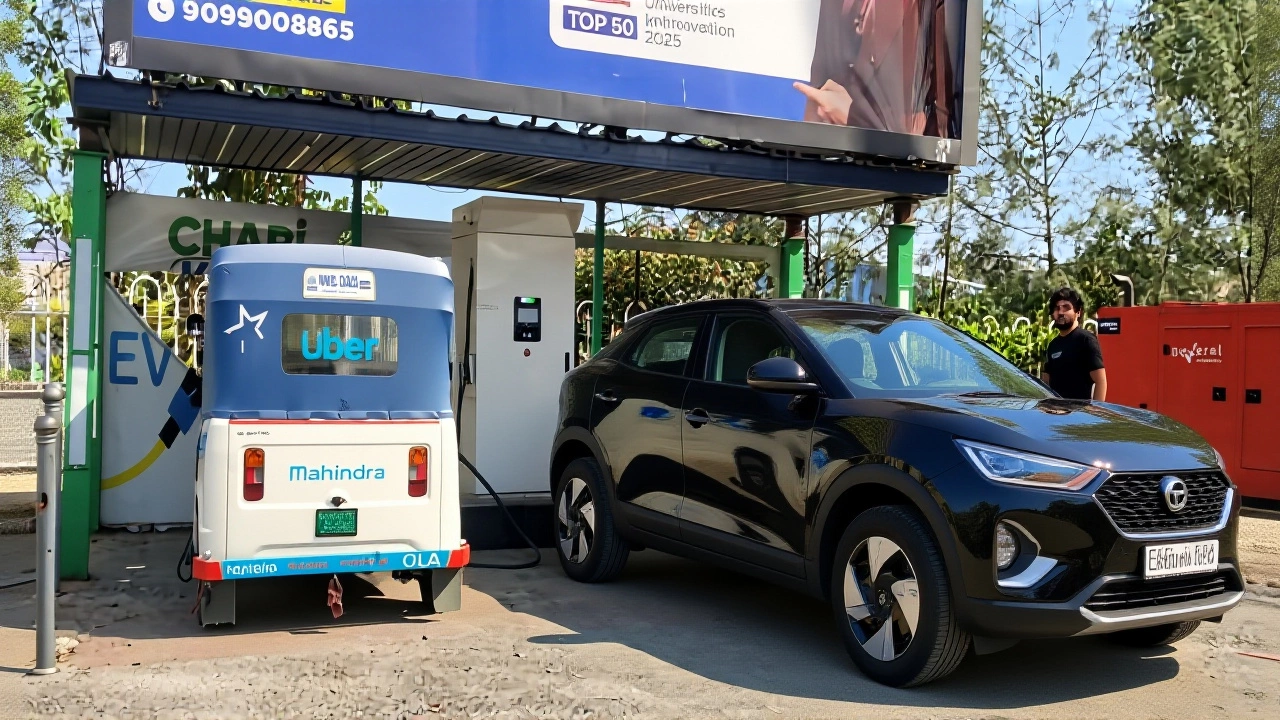
Historical Context: Echoes of 2022
If this feels familiar, it’s because it is. During the Russia-Ukraine conflict in 2022, India witnessed similar sharp spikes in fuel prices. Back then, the geopolitical turmoil sent shockwaves through energy markets worldwide. Now, in 2026, while the geopolitical landscape has shifted, the economic mechanics remain the same. Consumers who remember the inflationary pressure of 2022 are likely feeling anxious about what comes next.
Frequently Asked Questions
How much did fuel prices increase on May 25, 2026?
On May 25, 2026, petrol prices increased by ₹2.61 per liter and diesel prices rose by ₹2.71 per liter. This was the fourth consecutive hike within a ten-day period, adding to the cumulative rise seen since mid-May.
What is the current price of petrol in New Delhi?
Following the latest hike, the price of petrol in New Delhi stands at ₹102.12 per liter. Diesel is priced at approximately ₹95.56 per liter. These figures reflect the immediate impact of the May 25 announcement.
Why are fuel companies raising prices if they are making a loss?
According to CRISIL, Oil Marketing Companies are still under-recovering costs by about ₹10 per liter on petrol and ₹13 on diesel. The hikes are an attempt to reduce this deficit caused by high global crude costs and a weak rupee, though they haven't fully covered the losses yet.
Will fuel prices continue to rise?
Experts suggest that further hikes are possible if international crude oil prices remain elevated or if the Indian Rupee continues to weaken against the Dollar. The current market conditions do not show immediate signs of stabilization.
How does this compare to the 2022 fuel crisis?
The current situation mirrors the 2022 spikes driven by geopolitical tensions. While the triggers may differ slightly, the result is the same: rapid successive price increases that strain household budgets and inflate transportation costs across the nation.