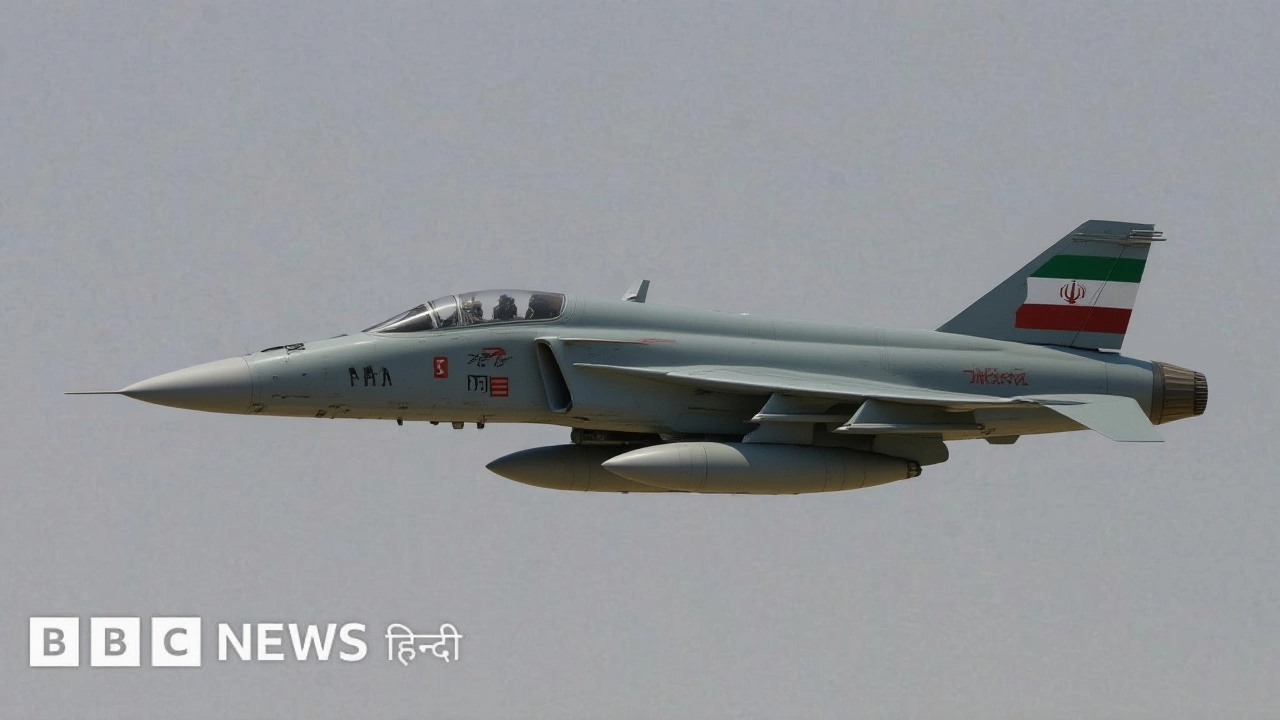
It’s a diplomatic tightrope walk gone sideways. Pakistan is facing intense scrutiny after reports emerged that it allowed Iranian Air Force military aircraft to land on its soil, allegedly to shield them from potential US and Israeli strikes. Islamabad insists the narrative is completely fabricated.
The controversy erupted following a report by CBS News, which cited unnamed US officials claiming Pakistan had quietly hosted Iranian warplanes at its airbases. The allegation suggests a dual role for Pakistan: publicly positioning itself as a neutral mediator between Tehran and Washington, while privately offering sanctuary to Iranian assets.
Satellite Evidence Sparks Debate
Here’s the thing: the accusations aren’t just based on hearsay. Open-source intelligence (OSINT) researcher Damien Symon of Intel Lab provided high-resolution satellite imagery showing an Iranian RC-130H Khofash reconnaissance aircraft parked at Nur Khan Air Base, located near Islamabad.
According to Symon’s analysis, the aircraft arrived sometime between April 11 and April 12, 2026. It remained stationary in the exact same spot for nearly a month, until at least May 12, 2026. That’s a long time for a specialized military jet to sit idle without moving. Critics argue this prolonged stay contradicts any claim of a brief, innocent stopover.
The timing is critical. This presence coincided with heightened tensions in the Middle East, particularly following Israel’s "Operation Rising Lion," which targeted Iranian nuclear facilities. If true, Pakistan’s actions would represent a significant shift in its regional security posture.
A Pattern of Shelter?
But wait, this might not be an isolated incident. Reports suggest Pakistan has been hosting Iranian military aircraft for years, not just during the current crisis. A YouTube video published in July 2025 showed Iranian transport planes and aerial refueling tankers parked at Karachi Airport’s runway. This footage surfaced shortly after the alleged end of Operation Rising Lion.
The juxtaposition is striking. On one hand, Pakistan presents itself as a transparent, neutral facilitator. On the other, visual evidence appears to show Iranian military hardware resting on Pakistani tarmacs. This discrepancy has fueled skepticism among Western observers and raised questions about Islamabad’s true intentions.
Taliban Denies Afghan Involvement
The ripple effects extend beyond Pakistan. CBS News also reported that Iran moved some civilian aircraft to Afghanistan to protect them from potential US airstrikes. However, the Taliban government firmly rejected these claims.
Zabihullah Mujahid, Taliban Spokesperson, issued a stark denial. "This is not true, and Iran does not need to do this," he stated. While it remains unclear if any military jets were involved in the Afghan flights, the Taliban’s rejection adds another layer of complexity to the unfolding geopolitical drama.
Islamabad’s Official Response
So, what’s Pakistan’s side of the story? The Ministry of Foreign Affairs released a statement on Tuesday, acknowledging the presence of Iranian aircraft but framing it entirely differently. They claimed the planes arrived during a ceasefire period, specifically to facilitate peace talks.
"The Iranian aircraft currently stationed in Pakistan arrived during the ceasefire period and have nothing to do with any military emergency or rescue arrangements," the ministry said. They dismissed media reports as "fictional, misleading, and entirely detached from reality."
According to Islamabad, the aircraft were positioned to ensure smooth logistics for diplomats and security teams once formal negotiations began. Senior-level diplomatic exchanges are ongoing, though official talks haven’t started yet. Pakistan maintains it has always acted as a "neutral facilitator" with full transparency.
US Skepticism Grows
Turns out, Washington isn’t buying it. During a hearing before the Senate Appropriations Committee, Senator Lindsey Graham expressed deep distrust toward Pakistan. Addressing Defense Secretary Pete Hegseth and Joint Chiefs Chairman General Dan Kane, Graham stated plainly that he did not trust Pakistan.
This public display of doubt signals a potential strain in US-Pakistan relations. If Pakistan is indeed sheltering Iranian military assets while pretending to mediate, it undermines its credibility as a partner in regional stability. The allegations imply that Prime Minister Shehbaz Sharif and Army Chief Asim Munir may be deceiving the United States.
Frequently Asked Questions
Why did Pakistan host Iranian aircraft?
Pakistan claims the aircraft were present to facilitate upcoming peace talks and support diplomatic logistics during a ceasefire. However, US officials allege the move was intended to protect Iranian military assets from potential American or Israeli strikes.
What evidence supports the allegations?
Satellite imagery analyzed by Intel Lab shows an Iranian RC-130H Khofash aircraft stationary at Nur Khan Air Base from mid-April to mid-May 2026. Additionally, video footage from July 2025 displayed Iranian transport and tanker planes at Karachi Airport.
Did Afghanistan also host Iranian planes?
Reports suggested Iran moved civilian aircraft to Afghanistan for safety. However, Taliban spokesperson Zabihullah Mujahid explicitly denied this, stating the claims were untrue and unnecessary for Iran.
How did US officials react?
Senator Lindsey Graham publicly expressed distrust in Pakistan during a Senate hearing, questioning its reliability as a partner. This reflects growing skepticism in Washington regarding Islamabad’s neutrality and transparency.
Is Pakistan denying the presence of the planes?
No, Pakistan acknowledged the presence of Iranian aircraft but denied the motive. The Foreign Ministry stated the planes were there for diplomatic purposes related to peace talks, not for military protection or emergency shelters.