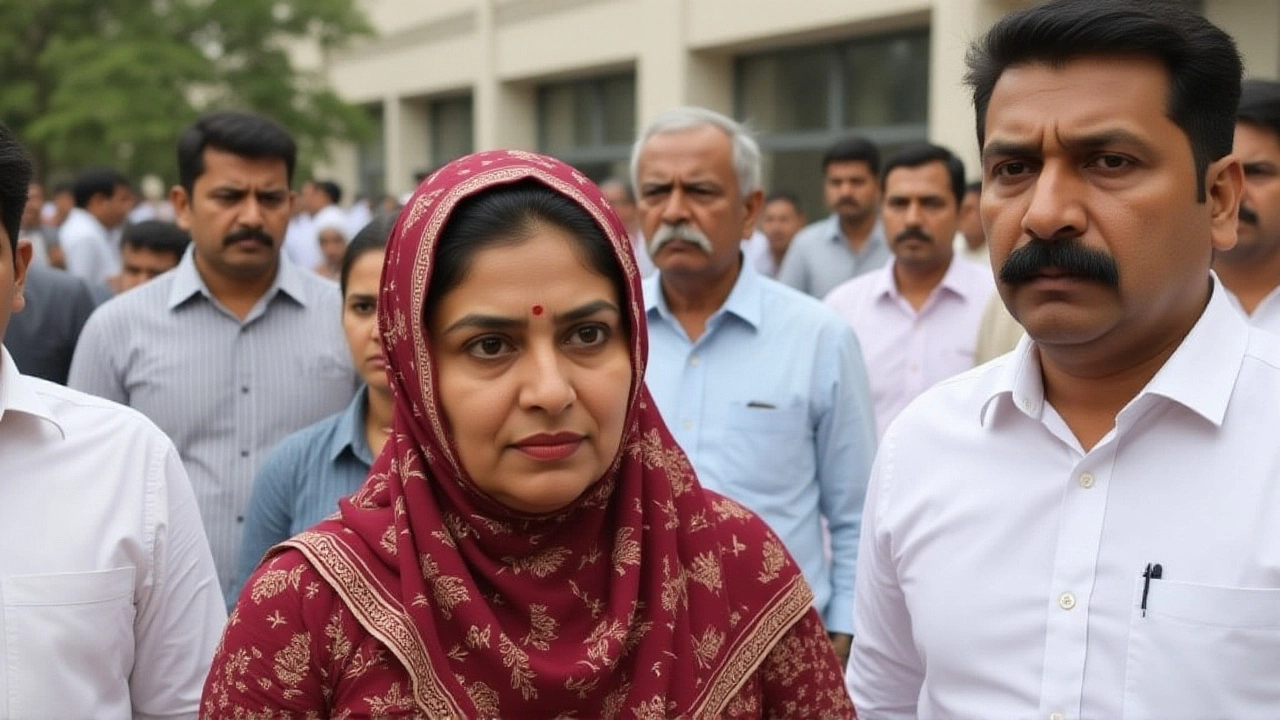
When Ekra Hasan, Member of Parliament for the Karana constituency, found herself at the center of a legal storm in Saharanpur, it wasn’t just another political skirmish. On May 21, 2026, local police filed an FIR against her and former state minister Mangiram Kashyap, alleging obstruction of official duty and violating ban orders. The charges stem from a heated protest outside the DIG’s office that turned into a standoff lasting hours.
Here’s the thing: this isn’t just about traffic jams or broken rules. It’s about justice for a victim’s family. Hasan had traveled to Saharanpur on May 19 to demand action in a murder case involving a woman’s son. What started as a plea for accountability quickly escalated when police moved to escort her to the women’s station, sparking chaos. Five supporters were arrested then and there. Their release became the flashpoint for the subsequent protests.
The Timeline of Escalation
To understand how things got so tense, you have to look at the sequence of events over those three days. It moves fast, but the details matter.
- May 19, 2026: Hasan arrives at the DIG’s office in Saharanpur with a petition regarding a murder case. Tensions rise. Police escort her briefly to the women’s police station before releasing her after roughly 10 minutes. In the confusion, five individuals, including Mangiram Kashyap, are arrested for disturbing public peace.
- May 20, 2026: Seeking the release of the detainees, Hasan stages a dharna (sit-in protest) at the Sadar Bazaar police station. The protest begins at 4:00 PM and continues until approximately 9:30 PM. During this time, she engages in sharp exchanges with senior officers.
- May 21, 2026: The City Magistrate, Kuldeep Singh, assures the protesters that the release process is underway. Meanwhile, Sub-Inspector Sanjay Kumar Sharma files a complaint leading to the FIR against Hasan, Kashyap, and 20-25 unnamed individuals.
- May 22, 2026: The five arrested supporters are released from the district jail.
What the Charges Actually Say
The FIR, registered at the Sadar Bazaar police station under the supervision of Saharanpur Police, lists serious allegations. According to Vyom Bindal, Police Commissioner (City), the accused allegedly blocked roads, disrupted government work, prevented civil servants from performing their duties, and violated prohibition orders to spread unrest.
But wait—let’s look closer. The police claim that the group created a ruckus outside the DIG’s office, known locally as the "Gaji Dhaftar." Videos circulating on social media show Hasan and others shouting slogans. One particularly intense moment captured her saying, "Shoot me, hang me," which prosecutors argue demonstrates intent to incite violence and disrupt public order. The FIR names seven specific individuals along with 25 unknown persons, painting a picture of organized disruption rather than spontaneous outrage.
Hasan’s Defiant Response
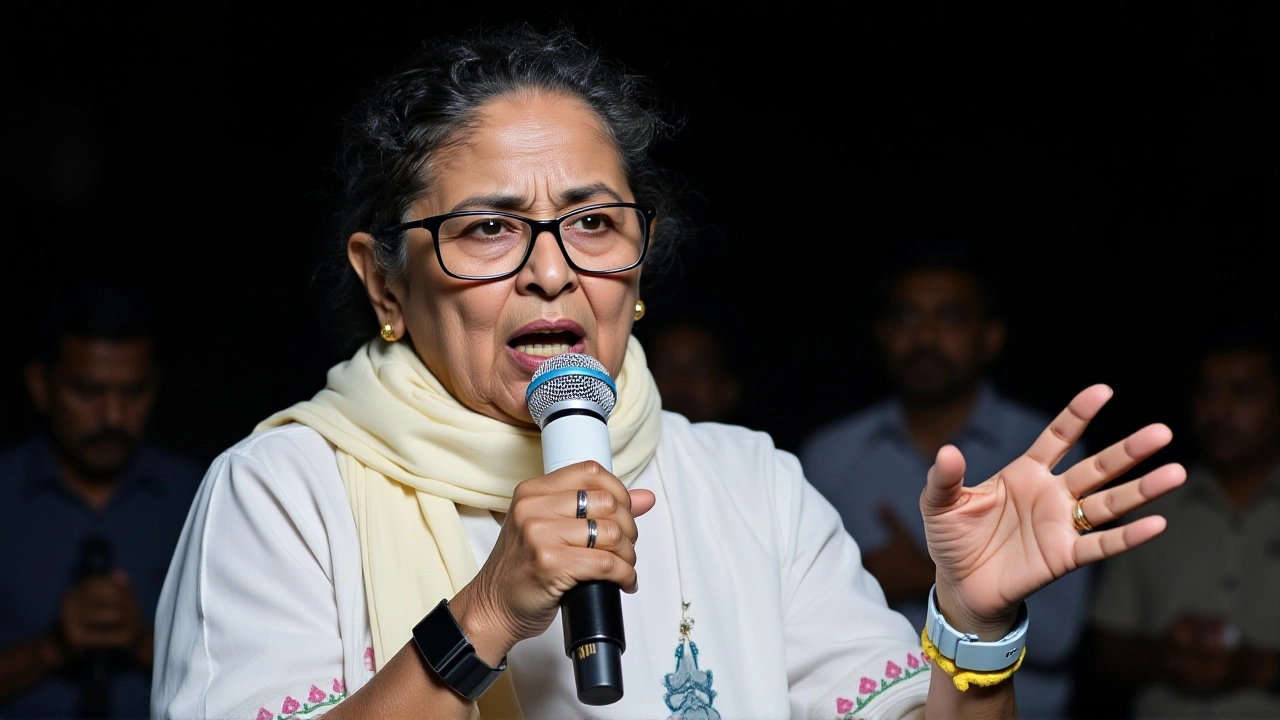
If you expected silence from the opposition, think again. Ekra Hasan didn’t back down. Instead, she doubled down, issuing a statement that resonated with her base within the Samajwadi Party.
"Open your ears and listen, police-administration. We are not people who get scared," Hasan declared. She emphasized that filing an FIR wouldn’t stop them from fighting for the poor and oppressed. "If the administration thinks they can intimidate us with cases, let them hear this clearly: we don’t fear any of this. We will continue to raise the voice of justice."
She also took aim at the ruling party, claiming that in this region, "only the rich are heard." This narrative frames the legal action not as law enforcement, but as political persecution aimed at silencing dissent. For her supporters, this defiance strengthens her image as a champion of the marginalized.
Broader Political Implications
This incident doesn’t exist in a vacuum. Uttar Pradesh politics has always been charged with high-stakes confrontations between the BJP-led government and opposition parties like the SP and BSP. When a sitting MP takes to the streets, it signals deep dissatisfaction with institutional mechanisms.
The involvement of Mangiram Kashyap, a former state minister, adds weight to the protest. His arrest and quick release suggest that while the police were willing to act, the political pressure was too significant to hold him long-term. The fact that the magistrate intervened to assure release indicates that even within the system, there was recognition that prolonged detention could spark larger unrest.
Interestingly, no official statement has come from the Samajwadi Party headquarters yet. But Hasan’s personal response carries enough force to shape the narrative. By positioning herself as fearless in the face of state power, she taps into a broader sentiment among voters who feel ignored by the current administration.
What Happens Next?
Legally, the ball is now in the court’s court. The FIR opens the door for investigation, potential summons, and possibly trial if evidence supports the charges. However, given the political nature of the dispute, the outcome may depend less on forensic proof and more on judicial interpretation of public order laws.
Politically, expect this to be weaponized in upcoming debates. The BJP may highlight the breach of protocol and violation of ban orders to question Hasan’s conduct as an elected representative. Conversely, the opposition will use the FIR to accuse the government of targeting critics and suppressing legitimate grievances.
For residents of Saharanpur, the immediate impact is minimal beyond temporary traffic disruptions. But symbolically, this event reinforces the growing polarization in UP’s political landscape. As one local observer noted, "When MPs start protesting outside police stations, it means trust in the system is breaking down."
Frequently Asked Questions
Why was an FIR filed against MP Ekra Hasan?
The FIR was filed on May 21, 2026, following protests outside the DIG’s office and later at Sadar Bazaar police station. Authorities allege that Hasan and her associates obstructed official duty, blocked traffic, violated ban orders, and prevented civil servants from working. These actions occurred during demonstrations demanding justice in a murder case and seeking the release of arrested supporters.
Who else was named in the FIR alongside Ekra Hasan?
Former state minister Mangiram Kashyap was explicitly named in the FIR. Additionally, seven other individuals were identified by name, while 20 to 25 others remain listed as "unknown." All were accused of participating in the disturbances and violating public order regulations during the May 19–20 protests in Saharanpur.
What led to the initial confrontation at the DIG’s office?
Ekra Hasan visited the DIG’s office on May 19, 2026, to seek justice for a woman whose son had been murdered. She alleged that the police had failed to act appropriately in the case. When tensions rose, police escorted her briefly to the women’s station before releasing her. During this period, five of her supporters, including Mangiram Kashyap, were arrested for disturbing peace.
Were the arrested supporters eventually released?
Yes, all five arrested individuals were released from the district jail on May 22, 2026. Their release followed assurances from City Magistrate Kuldeep Singh during Hasan’s sit-in protest on May 20, which lasted from 4:00 PM to 9:30 PM. The magistrates indicated that the procedural steps for their release were being completed.
How did Ekra Hasan respond to the FIR?
Hasan responded defiantly, stating that she and her team do not fear legal action or intimidation. She vowed to continue fighting for justice for the poor and oppressed, accusing the administration of trying to silence dissent through criminal cases. Her remarks included strong language such as "Shoot me, hang me," reflecting her determination to persist despite legal threats.